Are you looking for;
Business Website
News Portal
Digital Intergration
AI Solutions
Call +260 976344260
Business Website
News Portal
Digital Intergration
AI Solutions
Call +260 976344260

by admin on | 2026-09-06 12:38:16
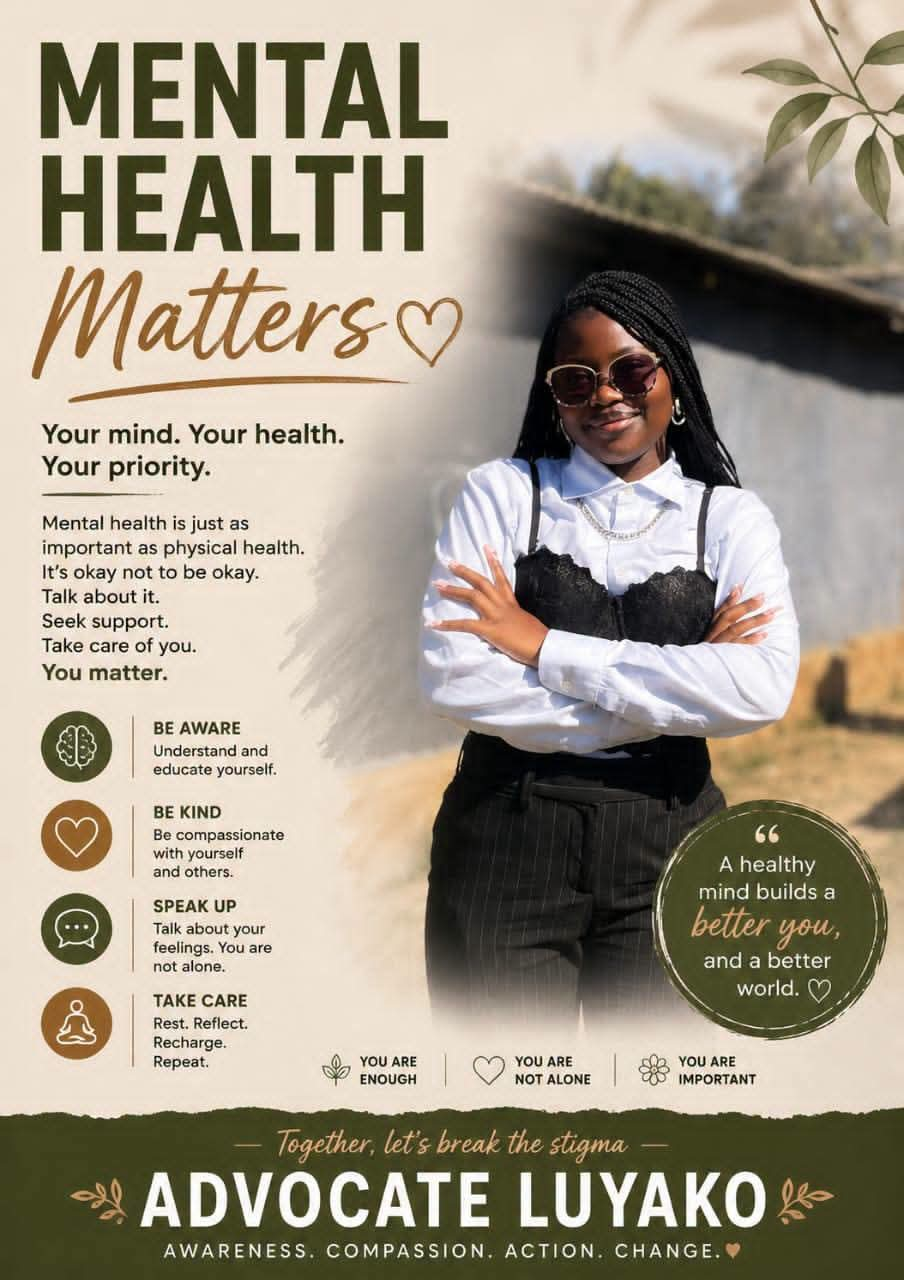
Luyako Patience is a medical student at Lusaka Apex Medical University pursuing a Bachelor of Pharmacy. A Mental Health Advocate, She is a dedicated Youth and SDG Advocate specifically focused on SDG 3 (Good Health and Well-being) and SDG 17 (Partnerships
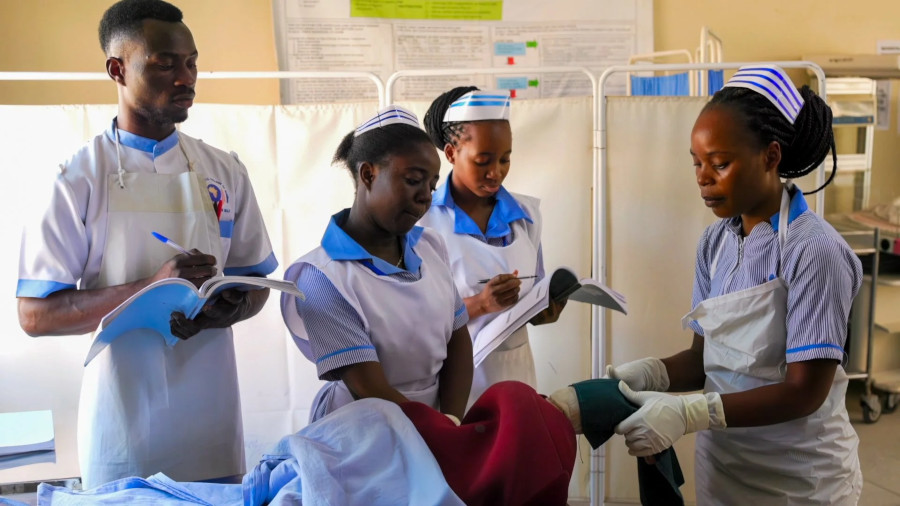
In our communities across Zambia, we are quick to notice physical illness. If a neighbour collapses from malaria, breaks a leg, or struggles with high blood pressure, there is immediate empathy and a rush to the local clinic. We recognize physical suffering instantly because it is visible. Yet, when that same neighbour withdraws into isolation, struggles with chronic fatigue, or carries the invisible weight of severe anxiety and depression, the response is often vastly different. All too often, mental distress is dismissed as mere laziness, spiritual weakness, or something to be brushed under the rug.
We have long treated the mind and the body as if they live in two entirely different worlds. But medical science and our daily lives tell a different story: mental health and physical health are deeply, inextricably linked.
The connection between mind and body is not just
abstract; it is deeply biological. When a person experiences prolonged
psychological strain, whether from financial pressures, academic stress, or
daily life challenges the brain keeps the body on high alert. This constant
stress response floods the system with hormones like cortisol. Over time,
chronically elevated cortisol weakens the immune system, elevates blood
pressure, disrupts sleep, and causes persistent physical ailments like body
aches and digestive issues.
Conversely, physical illness takes a heavy toll on the mind. Managing a long-term condition like diabetes, hypertension, or chronic pain frequently leads to anxiety and depression. When the physical body is under siege, emotional resilience naturally begins to drain.
Health, after all,
is not merely the absence of fever or physical injury, but a complete state of
physical, mental, and social well-being.
If we want to build healthier, more prosperous communities, we must change how we approach health at the grassroots level. A patient visiting a local health center for persistent headaches or fatigue should also be checked for stress and burnout. Treating physical symptoms while ignoring underlying emotional distress is like mopping up water without turning off the leaking tap.
Furthermore, recognizing the biological reality of mental distress helps break down the shame surrounding it, seeking support for your mental well-being should be as normal as getting a prescription for an infection. Physical activity, too, isn't just for muscular strength; it triggers endorphins and regulates brain chemistry, serving as a powerful natural buffer against depression and anxiety.
As we work toward Sustainable Development Goal 3—Good Health and Well-Being, we cannot leave mental health behind. A truly healthy nation requires healthy minds in healthy bodies. Let us start open conversations in our homes, schools, workplaces, and community spaces. When you check in on someone's physical well-being, take a moment to ask about their peace of mind, too. Caring for your mental health isn't a luxury it is essential for living a full, healthy life.
YOUR FEEDBACK WILL BE HIGHLY APPRECIATED; Contact:
+260975885144
email: luyakopatience@gmail.com
THANK YOU.
ABOUT THE AUTHOR: Luyako Patience is a medical student
at Lusaka Apex Medical University pursuing a Bachelor of Pharmacy. A Mental
Health Advocate, She is a dedicated Youth and SDG Advocate specifically focused
on SDG 3 (Good Health and Well-being) and SDG 17 (Partnerships for the Goals),
working to dismantle the cultural stigma surrounding mental health in Zambia. Luyako Patience authors a weekly Repssi Zambia Mental Health
Matters column in the Rainbow Newspaper Zambia Limited (RNZL), on page 3
published every Monday.




CopyRight Coldreed Design and Developed by Yesebill 2026